
JNF Refrigeration / Service
Cool Rooms & Freezer Rooms
A failing cool room can result in thousands of dollars in spoiled stock and severe health-safety compliance issues.
Technical support
Fault / care / continuity
We specialize in the technical demands of walk-in cool rooms and freezer rooms. From erratic temperature fluctuations and icing issues to faulty controllers and degraded door seals, we restore safe operating conditions.
Field work / equipment change
Cool room evaporator replacement
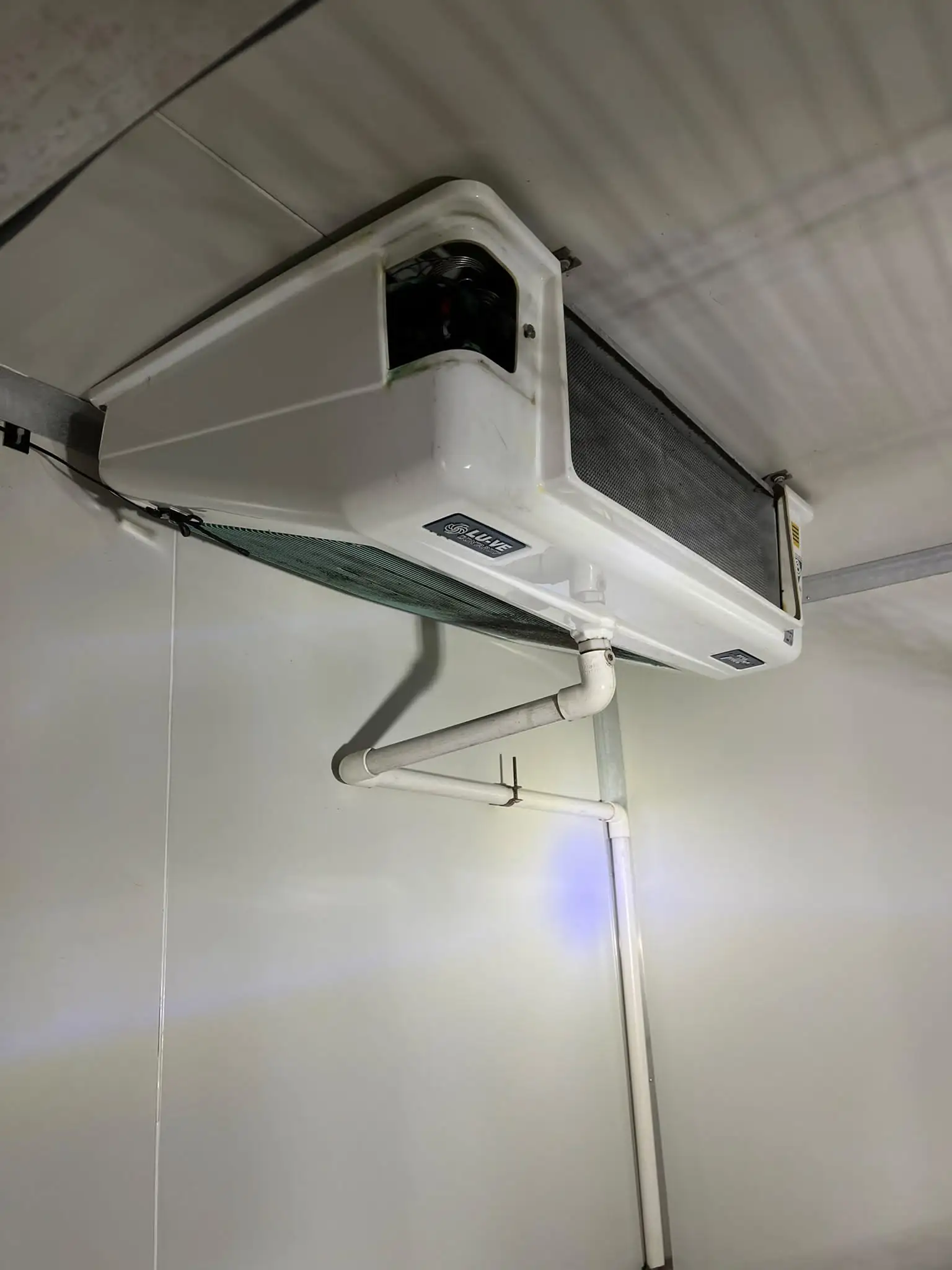 Before replacement
Before: the original cool room evaporator
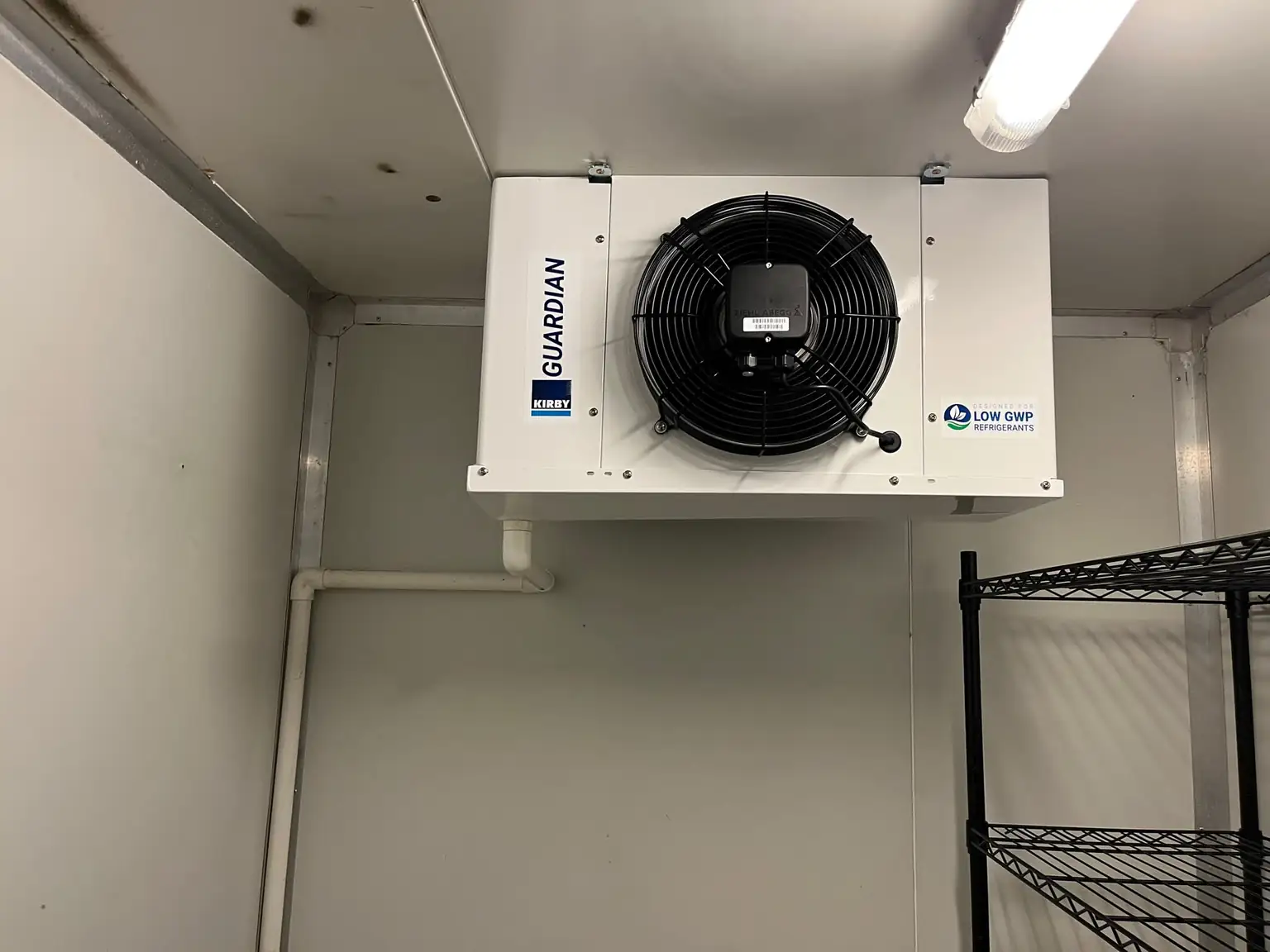 After replacement
After: the replacement installed
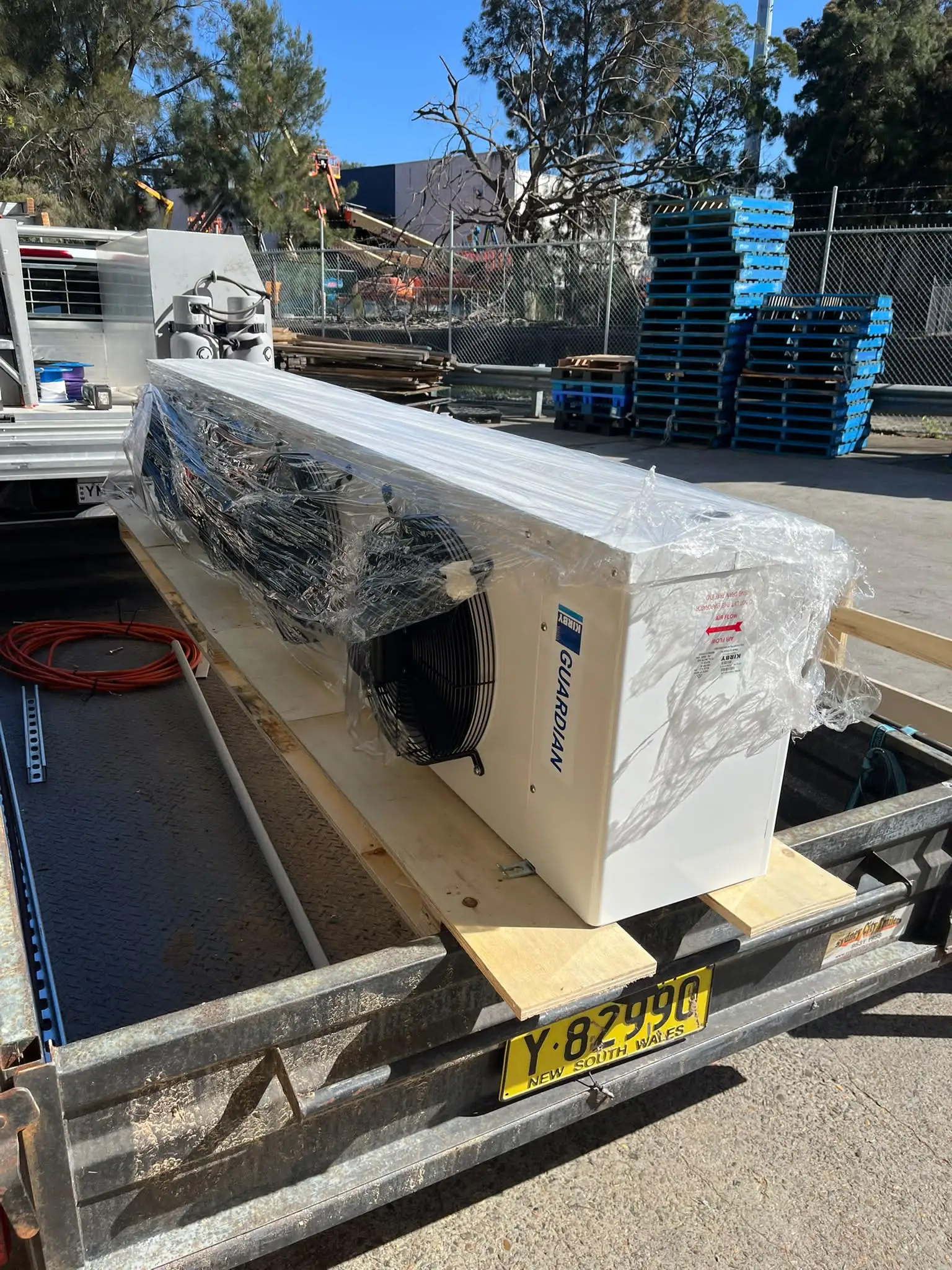 Preparation in progress
Equipment and Applications
Scope / 01Walk-in refrigeration needs a whole-system view
A cool room or freezer room is a working environment, not just a larger cabinet. Temperature depends on the refrigeration system, room loading, door use, seals, airflow, drainage, controls and the conditions around the plant. A room that is not holding temperature may have a refrigeration fault, but it may also be affected by ice, a damaged door, blocked airflow or a control issue.
The first useful step is to record what has changed. Note the current temperature, alarms, icing, water, unusual noise, door condition and whether the system is running continuously. That information helps separate an urgent stock risk from a performance issue that needs planned diagnosis.
Cool-room and freezer-room fault signs
Warning signs include temperature instability, continuous compressor operation, excessive ice on the evaporator, fans that are noisy or not moving air, water inside or outside the room, damaged door gaskets and a controller or alarm that has changed state. In freezer rooms, ice can affect airflow and door operation as well as reducing performance.
A room should not be judged only by how cold one part feels. Temperature variation, sensor location, loading pattern and door discipline can all influence the result. JNF looks at the equipment and the room conditions together so the recommended next step fits the actual problem.
Doors, drainage and airflow
Door seals and mechanisms are important to room performance. A damaged gasket, misaligned door or door that is being left open can introduce warm, humid air and increase the load on the system. Drainage problems can create water, ice and hygiene concerns, while a blocked or restricted airflow path can reduce heat transfer.
Regular attention to clear access, clean components, seals and drainage can support reliable operation. Those tasks do not replace licensed refrigeration work, but they give operators useful checks to include in a planned maintenance discussion.
Servicing rooms across the Northern Beaches
JNF Refrigeration supports walk-in rooms used by restaurants, food retailers, hospitality venues, schools and other commercial facilities in Brookvale, Dee Why, Manly, Mona Vale and surrounding suburbs. The service conversation can cover the room temperature, product requirements, access, equipment history and the cost of interruption.
If the room is currently failing, protect stock according to your food-safety procedures and call with the equipment type, temperature, alarm status and suburb. If performance is gradually changing, a planned assessment may provide more useful information than waiting for a complete failure.
Repair, replacement and commissioning advice
Some room faults are suitable for repair or component replacement. In other cases, age, repeated problems, obsolete components, door condition or the operating demands of the venue can make replacement worth discussing. JNF can help clarify the condition and the likely service path without presenting a replacement decision as automatic.
For new or replacement rooms, correct commissioning matters. The system should be matched to the room, the required temperature and the way the venue loads and accesses it, with operating information handed over clearly.
Frequently Asked Questions
What are the warning signs of a cool-room fault?
Look for rising or unstable temperature, continuous running, ice build-up, puddles, fan problems, damaged door seals or changed controller and alarm behaviour.
Do you service both cool rooms and freezer rooms?
Yes. JNF works on commercial walk-in cool rooms and freezer rooms, including refrigeration, controls, fans, drainage and door-related concerns.
Why is my freezer room covered in ice?
Ice can be related to door seals, warm humid air, defrost, drainage, airflow or refrigeration controls. A licensed assessment is needed to identify the cause safely.
What temperature should a commercial cool room be?
The required temperature depends on the stored product and the venue’s food-safety procedures. Record the actual reading and discuss any deviation with a qualified technician.
Can you advise whether a cool room should be repaired or replaced?
Yes. The decision can consider the fault, age, condition, refrigerant, parts, room requirements and the cost of continued downtime.
Request Commercial Service
Need expert assistance with your cool rooms & freezer rooms?
Request Commercial Service Call 0449 868 827Worth reading first
Practical guides
- Warning Signs Your Cool Room Needs Professional ServicingIdentify early symptoms of cool room failure before you lose valuable stock.
- What to Do When Commercial Refrigeration Breaks DownA step-by-step emergency guide for venue managers facing a sudden refrigeration failure.
- How Often Should Commercial Refrigeration Be Serviced?Every three to six months for most venues — but what the equipment does matters more than the calendar.