
JNF Refrigeration / Service
Commercial Kitchen Refrigeration
Commercial kitchens operate in extreme heat. When a prep fridge fails mid-service, the entire kitchen workflow is compromised.
Technical support
Fault / care / continuity
We repair and maintain the critical refrigeration equipment that keeps professional kitchens running. Our service accounts for the high ambient temperatures, grease, and heavy usage typical of commercial culinary environments.
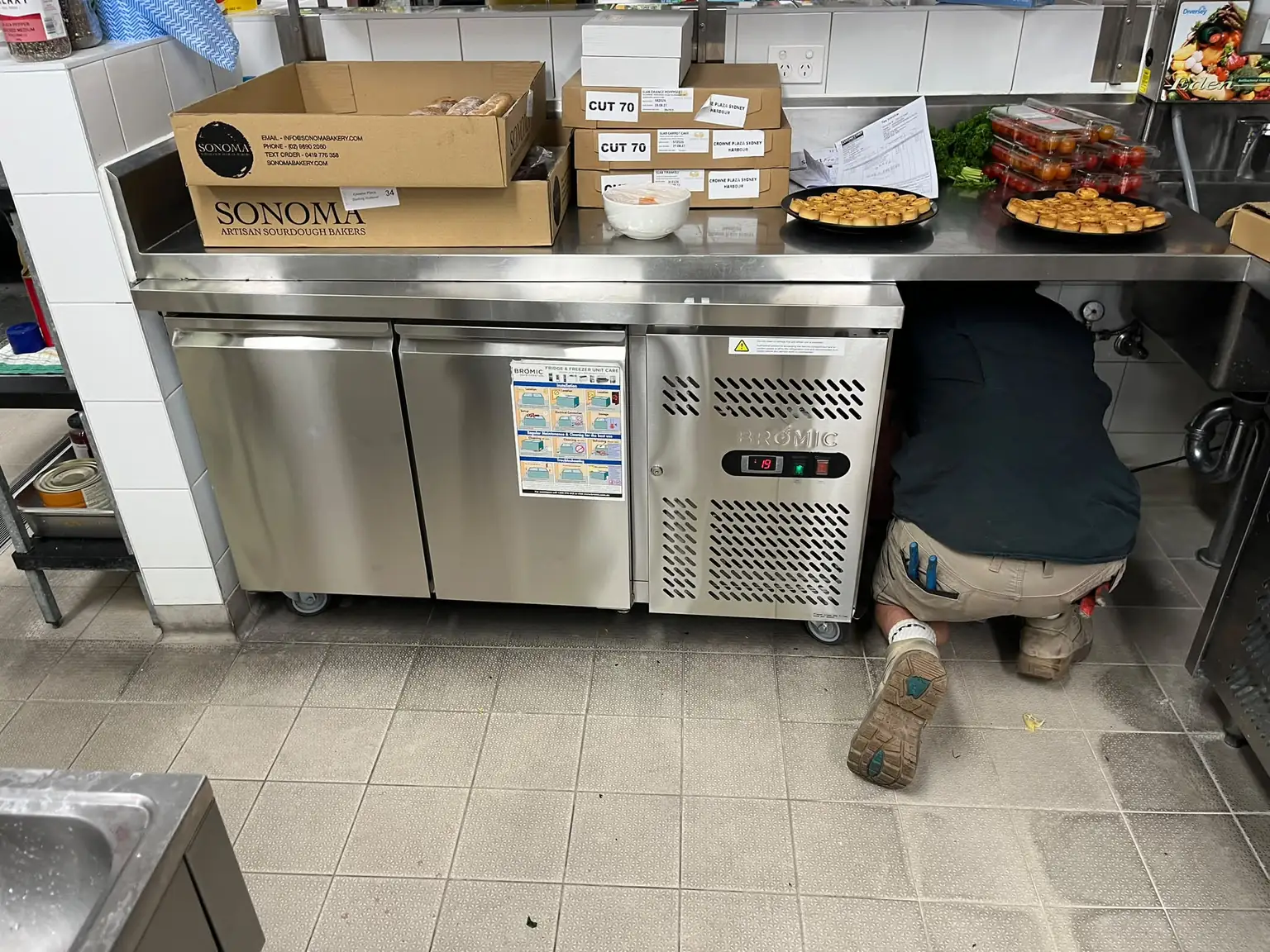 Installation in progress
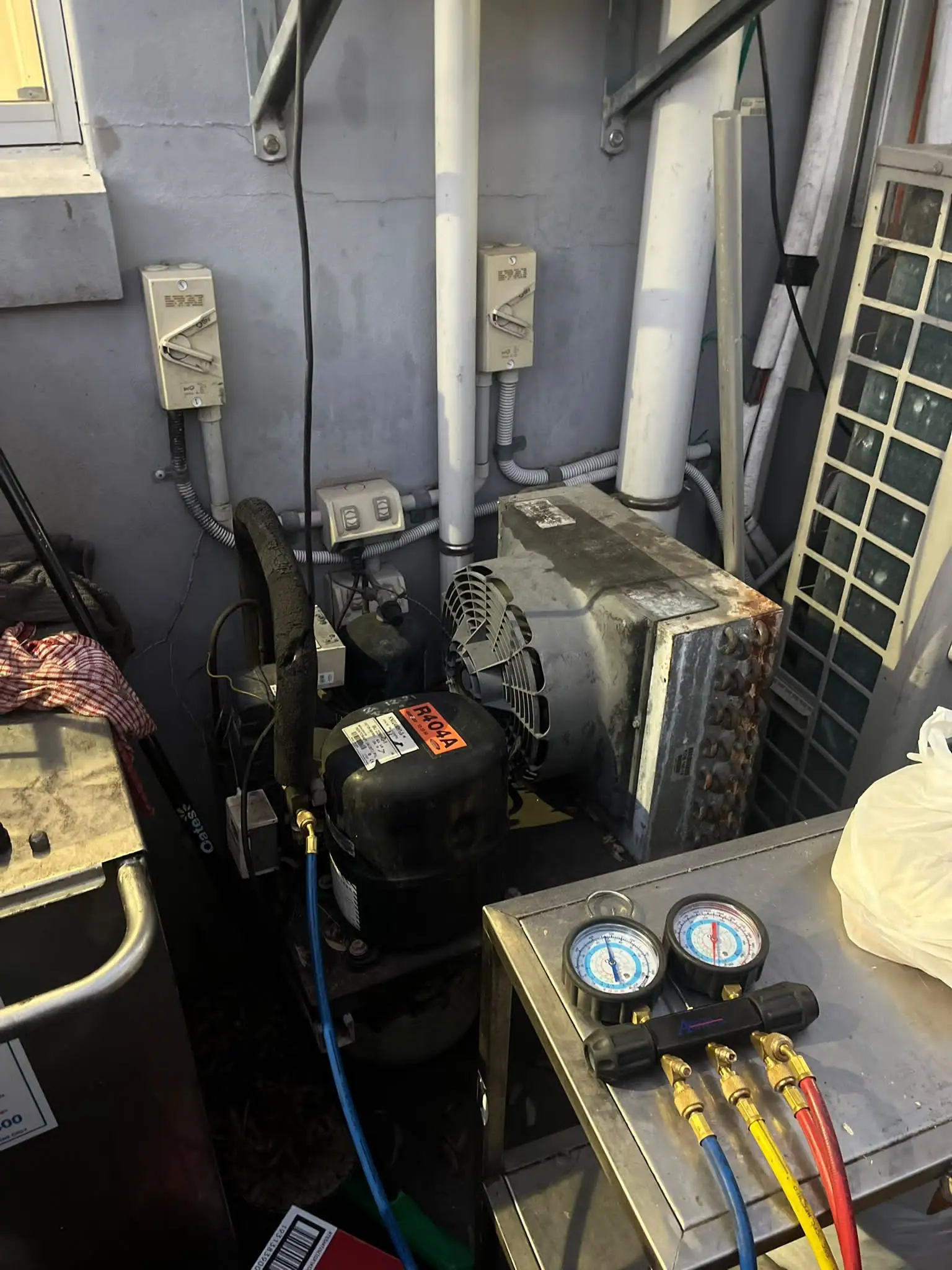 Service in progress
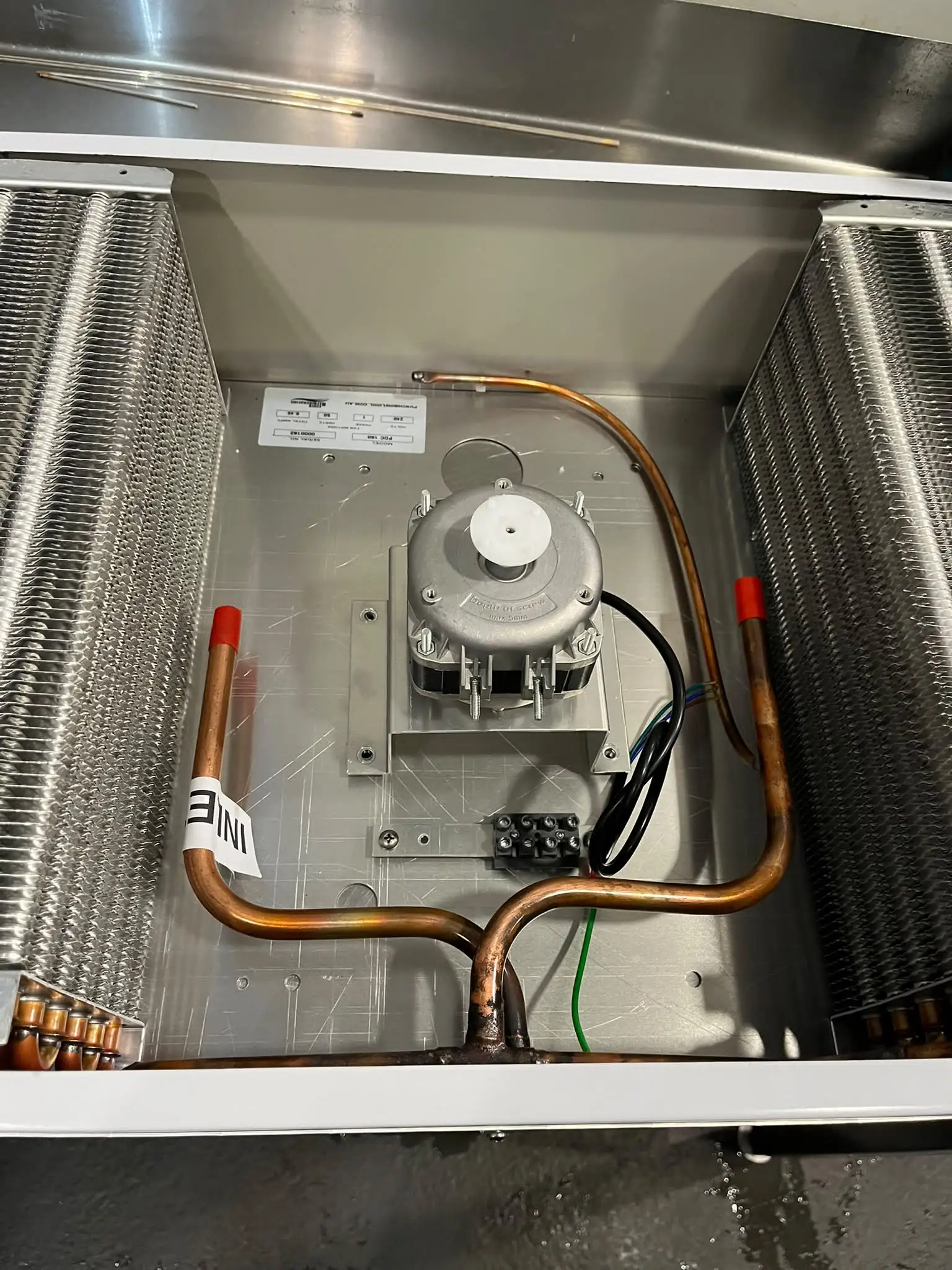 Evaporator fitting
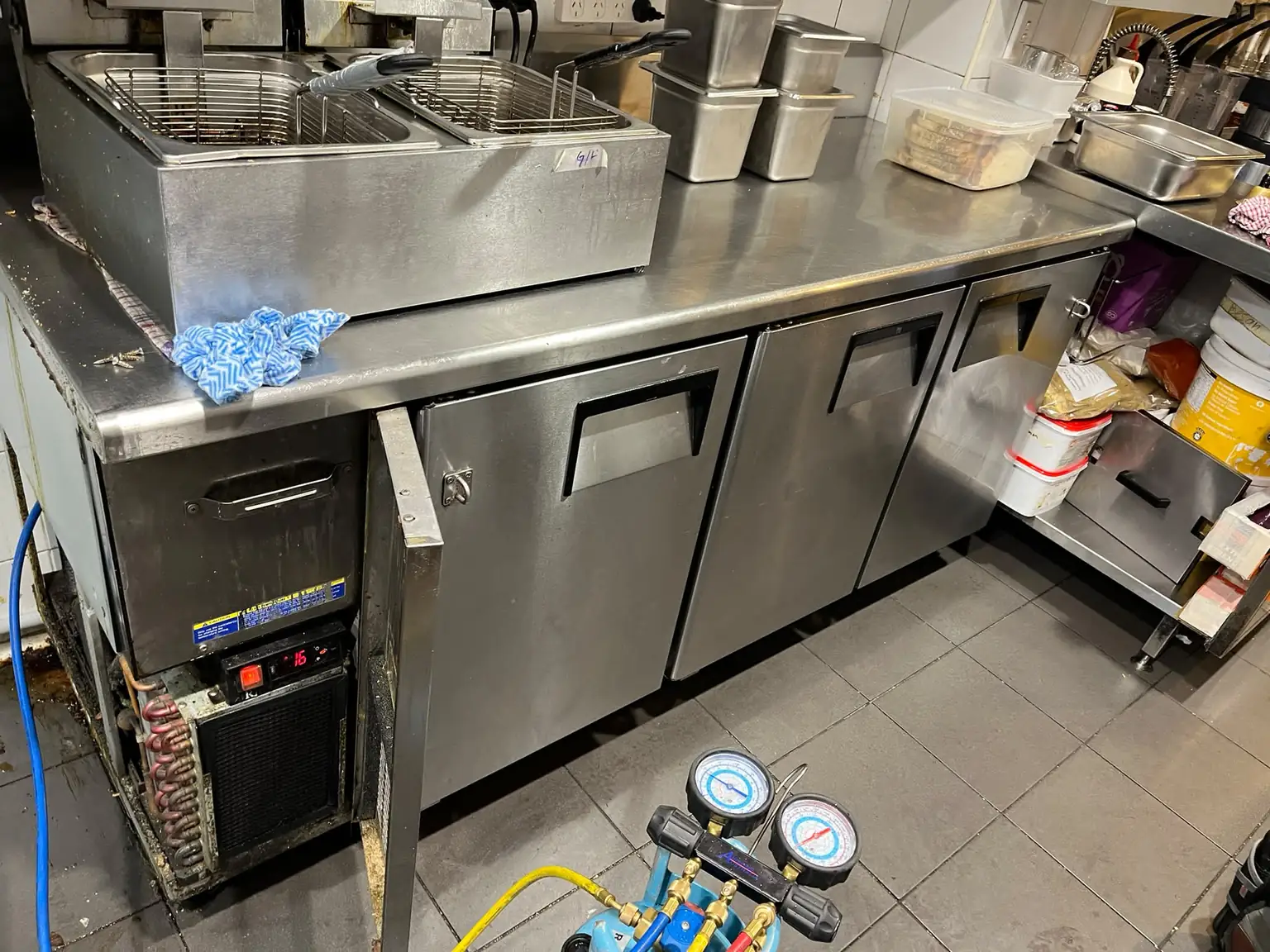 Repair in progress
Equipment and Applications
Scope / 01Refrigeration in a high-use commercial kitchen
Commercial kitchen refrigeration works in a demanding environment. Heat from cooking, grease, flour, dust, frequent door openings, heavy loading and tight clearances can all affect equipment. A prep counter that is warm during service or an under-bench fridge that is struggling to recover can affect food preparation and the way a kitchen runs.
The useful starting point is to identify what is affected and how the fault is changing the workflow. Note the equipment type, current temperature, alarms, noise, icing, water, power status and whether the problem is isolated to one unit or appears across the kitchen.
Kitchen equipment JNF can assess
Commercial kitchen work can involve upright refrigerators and freezers, under-bench units, preparation counters, sandwich bars, display cabinets and storage refrigeration. Each unit has a different loading pattern and airflow requirement. A unit beside a cooking line may behave differently from one in a cooler store room, even when the equipment appears similar.
JNF’s service discussion considers the equipment, the room, the workload and the operating pattern. That helps separate a component fault from an airflow, cleaning, loading or environmental issue that also needs to be addressed.
Airflow, cleaning and operating conditions
Condenser airflow is a common practical consideration in kitchens. Grease, dust and restricted ventilation can make heat rejection harder and increase the load on the system. Door seals, internal fan clearance and the way stock is loaded can also influence temperature recovery. These checks are useful in maintenance planning, but they do not replace licensed diagnosis where electrical or refrigerant work is involved.
A venue should follow its own food-safety procedures when a unit is not holding temperature. Keep doors closed where practical, move stock according to the site’s process and record the information a technician will need.
Breakdown support without guesswork
JNF Refrigeration provides commercial kitchen refrigeration support across the Northern Beaches, including Brookvale, Dee Why, Manly, Mona Vale and surrounding suburbs. For an urgent enquiry, call with the venue, unit type, suburb, temperature, symptoms and service impact. If access is through a busy kitchen, mention the preferred service window and any site restrictions.
The repair may involve a fan, control, sensor, seal, drainage, airflow or another component. If the equipment is older or has a history of repeated faults, a repair-versus-replacement conversation may be more useful than treating each incident in isolation.
Planned servicing for kitchen operators
Planned maintenance can be shaped around cleaning cycles, service peaks, term dates, events and the equipment that is most critical to the kitchen. A short record of asset type, age, location and previous faults helps identify where attention should be prioritised.
The goal is not to add unnecessary complexity. It is to give the operator a clearer view of condition, likely risks and the practical next step for the equipment that the kitchen depends on every day.
Frequently Asked Questions
Do you service under-bench fridges and prep counters?
Yes. JNF assesses commercial kitchen uprights, under-bench units, preparation counters, sandwich bars, display cabinets and related refrigeration.
Why does kitchen refrigeration struggle during service?
Heat, grease, dust, restricted airflow, frequent door openings, heavy loading and component faults can all affect performance. The equipment and operating conditions should be assessed together.
How can kitchen staff help protect refrigeration performance?
Keep vents clear, avoid blocking internal fans with stock, maintain door seals, follow cleaning procedures and report temperature or alarm changes early.
Can you help with urgent commercial kitchen breakdowns?
Yes. Call with the venue, suburb, equipment, symptoms, current temperature if known and the impact on service so the situation can be discussed.
Should a busy kitchen repair or replace an older unit?
The decision depends on fault, age, condition, parts, refrigerant, downtime risk and operating demands. JNF can explain the practical considerations.
How can kitchen staff help maintain the fridges?
Ensure staff do not block the internal fans with stock, regularly wipe down door seals, and ensure external vents have adequate breathing space.
Request Commercial Service
Need expert assistance with your commercial kitchen refrigeration?
Request Commercial Service Call 0449 868 827Worth reading first
Practical guides
- What to Do When Commercial Refrigeration Breaks DownA step-by-step emergency guide for venue managers facing a sudden refrigeration failure.
- How Often Should Commercial Refrigeration Be Serviced?Every three to six months for most venues — but what the equipment does matters more than the calendar.